Manufacturing the World Fairly
Article 1-6
Manufacturing the World Fairly
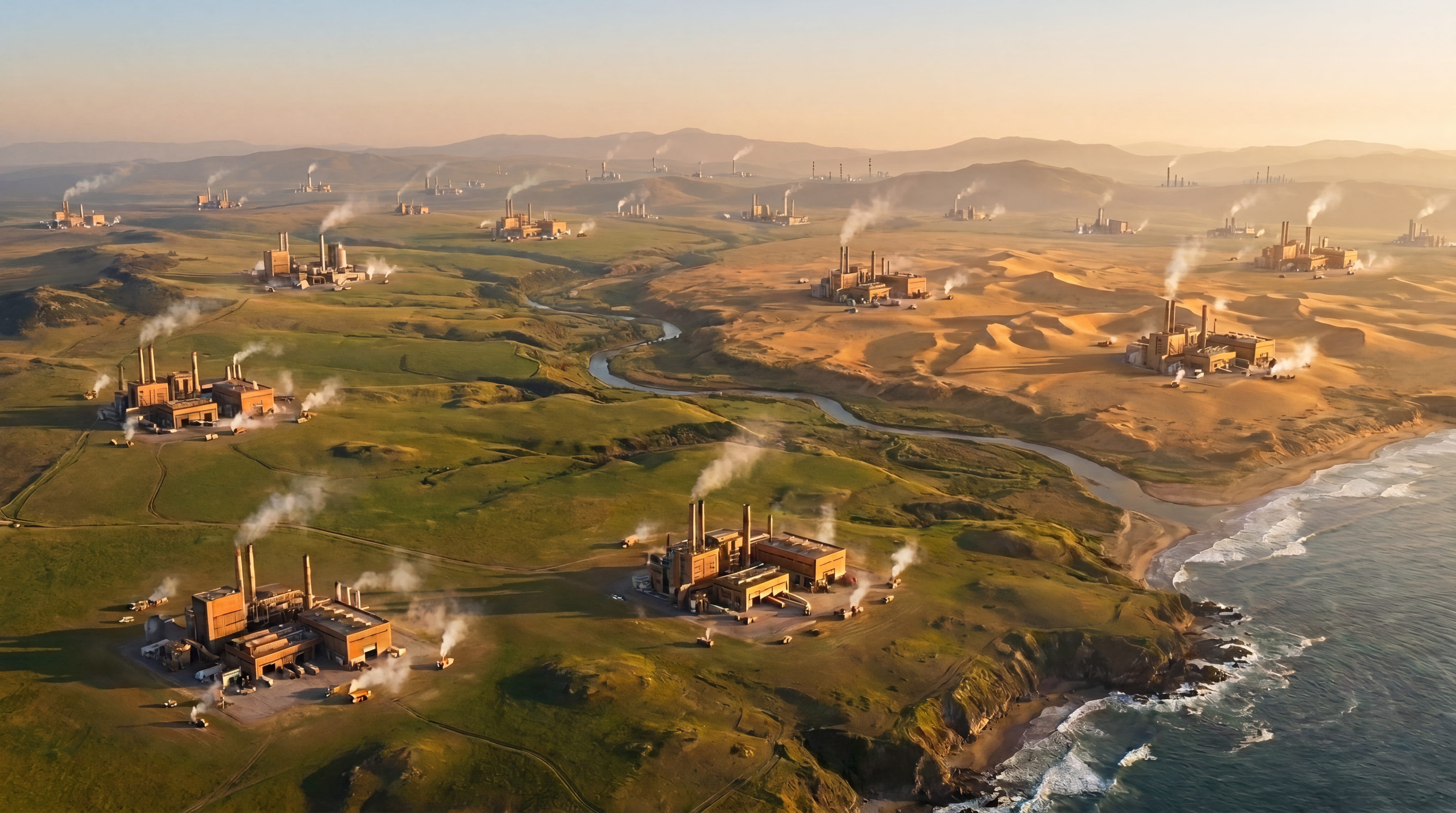
Here is the problem with how manufacturing is distributed today: it follows the cheapest labor, not the most logical supply chain. A T-shirt made from Uzbek cotton, assembled in Bangladesh, shipped to a warehouse in the Netherlands, sold in a store in Canada, returned and incinerated in Germany — that circuit exists not because it makes sense, but because every link in it was optimized independently for cost, with the externalities (carbon, exploitation, supply chain fragility) absorbed by everyone else.
The fund proposes a different optimization. Not minimum cost, but maximum global employment equity. The question asked of every product is no longer “where is labor cheapest?” but “where does it make the most sense to make this, given where the raw materials are, how much it costs to transport them, and who needs the jobs?”
The methodology — a framework, not a fixed plan
The fund would not impose a manufacturing map from above. It would compute one, continuously, using AI. The inputs are:
- Country-level data: raw material inventory, working-age population, current employment and unemployment rates, existing infrastructure and manufacturing capability.
- Product-level data: which raw materials it requires, current global production volumes and trade flows, manufacturing cost by country accounting for labor, energy, and logistics.
- Transport data: cost and carbon intensity of moving that product between any two points on earth.
The optimization goal is straightforward: minimize the variance in employment rates across all countries, so that every nation on earth has a similar share of meaningful work. The output is a living map — revised continuously as populations shift, resources change, and technology alters manufacturing costs — specifying which countries should produce which goods and which should import.
The radius of action
The optimization produces a phased implementation across regional groupings — see Part 3 for the detailed methodology, including how concentrations are limited within sub-regions and how multi-decade transitions are managed.
Why this redistribution is painless
In any previous era, redistributing manufacturing meant workers in one country losing jobs to workers in another — a zero-sum transfer with clear winners and losers. Under the fund model, the factory that moves still belongs to the fund. If your country’s textile workers are displaced because cotton grows closer to a manufacturing center elsewhere, you still earn dividends from that factory regardless of its location. The redistribution shifts from being a pure loss to being a managed transition. Workers displaced as manufacturing rationalizes still hold dividends from the factory that moved, employment opportunities in fund companies elsewhere, and access to the innovation royalty system. No one is made whole by the dividend alone – but no one falls through the floor either.
And when everyone has a basic passive income, no one loses everything to structural change. Economic evolution stops being a threat to survive and becomes a process people can afford to support. Even AI threats of displacing jobs, if ever shareholders vote in favor, become less stressing when there is a passive income assured regardless of the manufacturing methods as cheaper costs imply higher dividends.
The natural resources question
One further refinement: the raw materials themselves should not be owned by governments, which historically have been the primary channel through which resource wealth disappears into corruption. Instead, citizens of resource-rich countries should form their own companies to own and manage their own resources, selling to fund-owned manufacturers at fair market rates. Governments retain a role in oversight and tax compliance — and nothing more. Citizens earn from their land. The fund pays fairly for what it buys. No middleman with a minister’s title extracts the difference.
For the first time, the question of who makes what for whom can be answered by everyone and for everyone, with the help of AI — not by whoever finds the cheapest hands to exploit.